
8 Weight Loss Diet Recipes Indian Cooks Can Try
Written By
DietOwl Nutrition Team
Published
14 October 2026
Reading Time
20 min read
Weight-loss meals don't need to exile rice, roti, dal, idli, or regional flavours from your kitchen. The more useful question is how each familiar meal is assembled: how much cereal it contains, where the protein comes from, how many vegetables fill the plate, and how precisely oil and accompaniments are measured. India's National Institute of Nutrition Dietary Guidelines for Indians 2024 recommends that cereals and millets provide no more than 45% of total calories, with pulses, beans, and meat contributing up to 15%, while vegetables, fruit, nuts, and milk products supply the remaining energy. That's a framework for better Indian plates, not a ban on staples.
This list evaluates eight weight loss diet recipes Indian households can adapt by their likely calorie density, protein contribution, preparation effort, satiety, and flexibility. The nutrition figures are practical estimates, not laboratory values. Actual calories and macros change with serving size, ingredient brands, batter ratios, visible oil, cooking method, and sides. Each recipe includes its role, trade-offs, preparation guidance, and a quick variation.
If you're managing PCOS or PCOD, diabetes, a thyroid disorder, hypertension, anaemia, or another condition, personalise portions and ingredients with a qualified professional. DietOwl can be a relevant WhatsApp-based option for personalised Indian meal plans, meal logging, portion feedback, and condition-specific nutrition support.
Table of Contents
- 1. Moong Dal Khichdi with Vegetables
- 2. Palak Spinach Soup with Minimal Oil
- 3. Tandoori Chicken Breast with Minimal Oil
- 4. Vegetable-Loaded Rajma with Brown Rice
- 5. Cucumber and Tomato Salad with Roasted Chickpea Croutons
- 6. Idli with Sambar and Coconut Chutney
- 7. Methi Roti with Lower-Fat Dal Makhni
- 8. Broccoli and Tofu Stir-Fry with Ginger and Garlic
- 8-Recipe Comparison: Indian Weight-Loss Dishes
- Turn Recipes into a Sustainable Routine
1. Moong Dal Khichdi with Vegetables
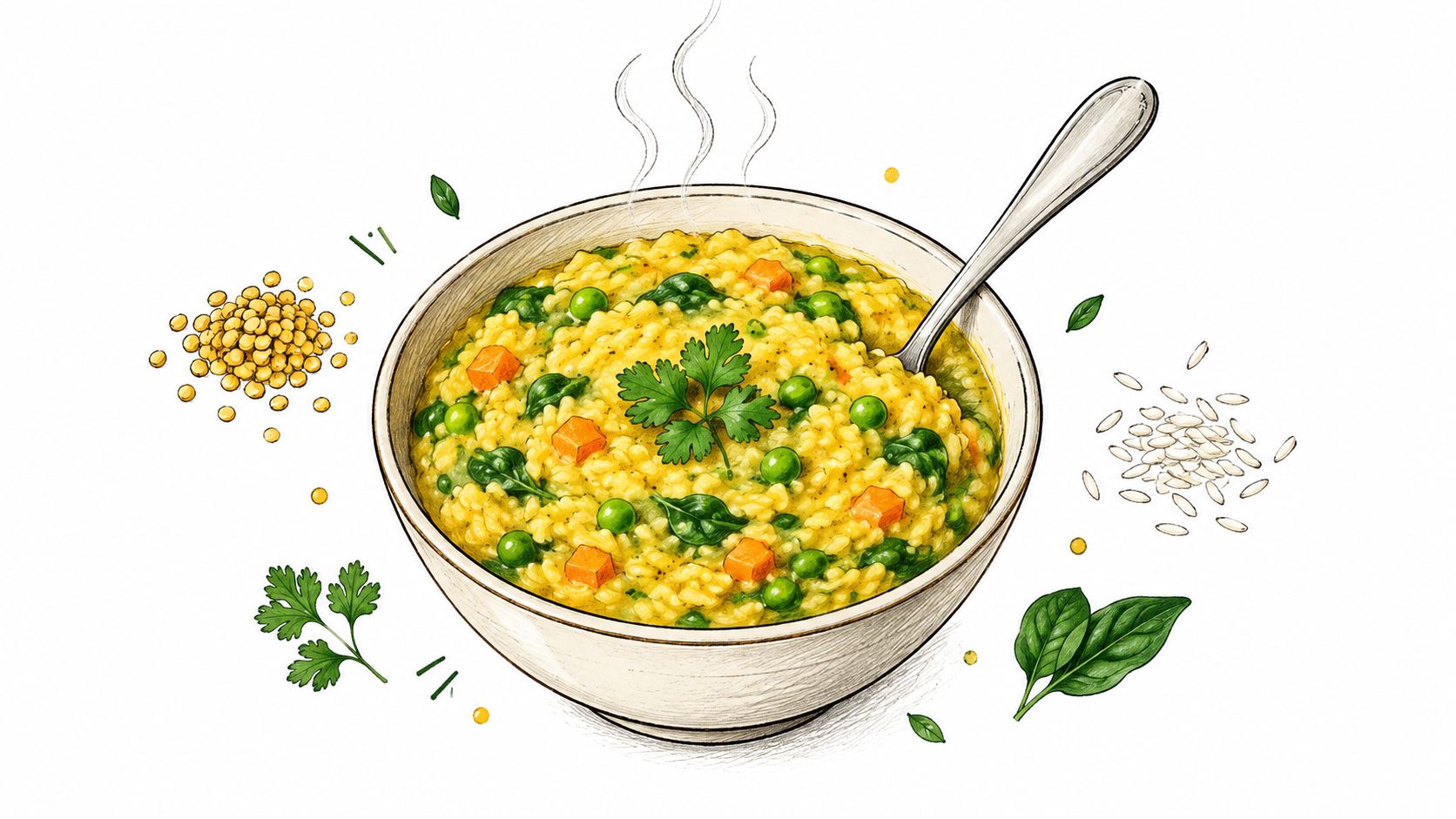
Moong dal khichdi earns a place in a weight-loss plan through its proportions, not through the recipe name alone. Split yellow moong supplies plant protein, rice provides carbohydrate, and vegetables add volume and fibre. This measured combination reflects national dietary guidance encouraging cereals alongside pulses, vegetables, and dairy foods.
A home serving may contain roughly 250 to 350 calories, with the final amount shaped by the raw rice-to-dal ratio, vegetables, and fat used. Protein is moderate, so a rice-heavy bowl can become more calorie-dense without improving fullness to the same degree. Increasing dal relative to rice makes the meal more protein-forward, while curd, eggs, or another suitable protein can strengthen the plate further. For context, this explanation of whether dal provides enough protein examines how dal fits into overall protein intake.
Make the bowl work harder
Sauté cumin, turmeric, ginger, and hing in a measured amount of oil. Add moong dal, rice, and vegetables such as spinach, pumpkin, carrots, or peas, then adjust the water to the texture you prefer. Extra water changes thickness and eating pace, but it does not remove the ingredients' calories. Weigh the cooked portion if consistent tracking matters. Plain curd or unsweetened buttermilk can add contrast and make the meal fit a familiar thali pattern.
- For more protein: Raise the dal proportion or add curd, eggs, or another protein suited to your diet.
- For lower calorie density: Increase pumpkin, bottle gourd, spinach, or other seasonal vegetables while keeping rice measured.
- For batch cooking: Refrigerate portions promptly and add water during reheating, since khichdi thickens as it stands.
Practical rule: Measure ghee the way you measure rice: use a fixed spoonful and record it like any other ingredient.
Khichdi is easy to digest for many people, but this recipe alone cannot establish treatment for insulin resistance, thyroid disorders, or PCOS. Condition-specific portions and ingredients require individual guidance.
2. Palak Spinach Soup with Minimal Oil
Palak soup is a volume-led component. Blended spinach, onion, tomato, ginger, and spices can make a large bowl feel substantial while keeping energy density relatively low, especially when cream, butter, and large quantities of coconut milk stay out of the pot. Its strongest role is usually as a starter or lighter side, not as a complete protein-rich dinner.
A basic bowl may sit around 40 to 60 calories, but that estimate changes quickly when oil, milk, cream, croutons, or cheese enter the recipe. The soup contains useful plant foods, yet spinach alone shouldn't be treated as a reliable source of all the protein or iron someone may need. Pair it with dal, curd, tofu, eggs, chicken, or another suitable protein when it replaces a main meal.
Build flavour without hiding the oil
Wash tender spinach thoroughly, blanch or cook it briefly, and blend it with ginger, garlic, cumin, black pepper, and a small quantity of onion or tomato. A little low-fat curd or skimmed milk can soften the flavour, but add it carefully and avoid boiling aggressively after mixing. Lemon can brighten the bowl at the end, although its acidity may affect dairy texture.
- As a starter: Serve soup before a measured rice, roti, or dal meal if it helps you slow down and assess hunger.
- As a snack: Add a protein side rather than assuming a bowl of greens will sustain you for hours.
- For regional flexibility: Use coriander, methi, dill, or seasonal greens in part of the blend, while keeping the base recognisably Indian.
Freshly prepared soup is preferable for flavour and texture. If you're managing kidney disease, taking medication that affects potassium, or dealing with a condition where leafy greens need individual guidance, ask a qualified professional before making it a daily routine. The weight-loss value comes from the whole meal pattern and portion control, not from a special property of spinach.
3. Tandoori Chicken Breast with Minimal Oil
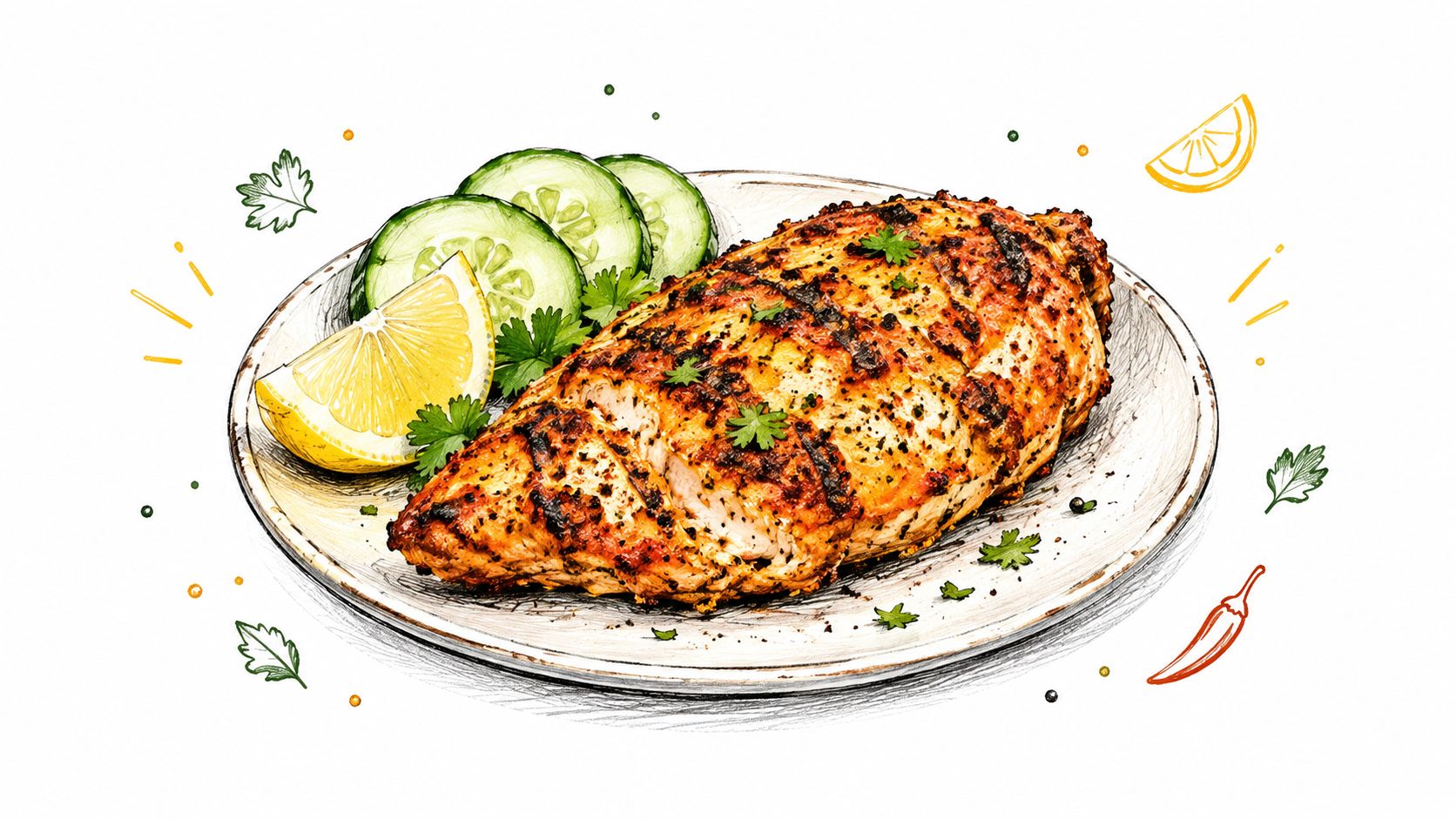
Tandoori chicken breast is the most protein-forward option in this list, provided the portion is skinless and the cooking method doesn't turn the marinade into an oil-heavy coating. Yogurt, lemon, ginger, garlic, chilli, cumin, coriander, and tandoori spices deliver tenderness and flavour without requiring a creamy curry base. The meal becomes more balanced when the chicken sits beside vegetables rather than a large pile of rice or naan.
The chicken itself may provide a substantial protein serving, but calories depend on the cut, raw or cooked weight, marinade quantity, and oil retained during cooking. A palm-sized serving with cucumber, tomato, cabbage, or a large cooked vegetable side is generally easier to fit into a calorie-controlled plate than chicken served with fried accompaniments.
Marinate for flavour, measure for accuracy
Use skinless chicken and unsweetened yogurt with ginger-garlic paste, lemon, paprika or chilli, cumin, coriander, and a controlled amount of salt. Marinating for several hours can improve tenderness, while grilling, air-frying, or pan-roasting helps limit added fat compared with deep-frying. Don't count the marinade as calorie-free if it contains oil, thick yogurt, or a generous coating that remains on the chicken.
- For a lighter plate: Pair the chicken with cucumber raita and roasted or steamed vegetables.
- For meal preparation: Cook only what can be stored safely and reheat gently to avoid drying the breast.
- For variety: Swap in fish, eggs, tofu, or a leaner paneer preparation when appropriate.
A chicken-based meal can be useful for someone who struggles to include protein, but it isn't automatically suitable for every health condition or eating pattern. Salt in spice blends and packaged marinades also deserves attention if you have hypertension. The practical win is transparency: weigh the chicken, record the oil, and identify every side that shares the plate.
4. Vegetable-Loaded Rajma with Brown Rice
Rajma becomes a stronger weight-loss building block when the curry contains visible vegetables and a measured grain portion, rather than a large serving of beans in a thick, oil-rich gravy. Kidney beans supply fibre and plant protein, while rice or roti completes the familiar meal. The combination can be filling, but the total serving still matters because both beans and grains contribute energy.
Start with soaked dried rajma or well-rinsed canned beans. Pressure-cook dried beans until completely tender, then simmer them with tomato, onion, carrots, spinach, or other vegetables and a measured tempering of cumin or mustard seeds. If you use canned beans, rinsing can reduce surface salt, but check the label when sodium is a concern.
Choose the grain deliberately
A controlled serving of brown rice may provide more texture and chew than a softer white-rice preparation, but brown rice isn't a licence to serve an unlimited bowl. The useful comparison is the complete plate, including cooked weights, oil, curry thickness, and sides. This guide to brown rice versus white rice is relevant when deciding which version fits your household routine and preferences.
- For a vegetarian lunch: Keep rajma as the main protein and add a raw or cooked vegetable side.
- For faster cooking: Use canned beans, rinse them, and shorten the simmering time.
- For regional adaptation: Serve the curry with bajra roti or another local grain, adjusting the portion instead of adding both rice and bread.
Rajma can cause digestive discomfort for some people, particularly when portions rise quickly. Soak, cook thoroughly, and increase serving size gradually if beans aren't a regular part of your diet. The recipe's advantage is not that it burns fat. It is that one family curry can combine a familiar staple, plant protein, fibre, and vegetables while allowing different household members to take different portions.
5. Cucumber and Tomato Salad with Roasted Chickpea Croutons
This salad is designed around volume and texture, not the mistaken idea that raw vegetables alone make a complete dinner. Cucumber and tomato create a bulky base, while roasted chickpeas add crunch, fibre, and some plant protein. The chickpeas are also the component most likely to change the calorie estimate, especially if they're roasted with more oil than planned.
Dice cucumber and tomato, then add coriander, mint, radish, carrots, or bell peppers for colour and variety. Roast rinsed chickpeas with spices and a measured amount of oil until crisp, but keep them separate until serving so the vegetables don't become watery. A lemon, cumin, and black pepper dressing can provide plenty of flavour without relying on a heavy bottled sauce.
Use it as a plate component
The salad works well before a dal, egg, chicken, tofu, paneer, or bean meal. It can also become a more complete lunch when you add one of those proteins, rather than trying to make a small handful of chickpeas carry the entire meal. If you're hungry again soon after eating it, that's useful feedback that the plate needs more protein, cooked food, or a controlled carbohydrate serving.
- For better crunch: Assemble the vegetables and chickpeas just before eating.
- For lower energy density: Increase the vegetable base while keeping roasted chickpeas and oil visible and measured.
- For family meals: Put dressing on the side so each person can adjust flavour without changing the shared vegetables.
A salad is a flexible structure, not a complete nutrition guarantee.
Cucumber and tomato can support a lighter meal, but "hydrating" doesn't mean the salad replaces water or guarantees metabolic effects. The useful analysis is simple: count the chickpeas, measure the oil, identify the added protein, and decide whether the salad is a starter, side, or main meal.
6. Idli with Sambar and Coconut Chutney
Idli with sambar is a useful example of how portion and accompaniment change a familiar breakfast. Steamed idli keeps added fat low, while sambar contributes lentils and vegetables. Coconut chutney adds flavour and fat, so a small serving can complement the meal without becoming the main energy source.
The calorie total depends on idli size, the rice-to-urad-dal batter ratio, fermentation, sambar thickness, and chutney quantity. Two or three small idlis with a generous serving of vegetable-rich sambar can be a lighter meal than an idli plate surrounded by large quantities of chutney, podi, fried vadas, or sweetened drinks. Fermentation may affect texture and digestibility, but it doesn't make an unlimited serving calorie-free.
Keep the plate South Indian and practical
Prepare batter with rice and urad dal, ferment it according to kitchen temperature, and steam the idlis without greasing the moulds heavily. For sambar, use a moderate dal base with pumpkin, carrots, beans, drumstick, aubergine, or other available vegetables. Thin sambar increases volume, but don't use extra rice or a large chutney serving to compensate for a watery bowl.
- For a lighter breakfast: Prioritise sambar and keep chutney to a measured spoonful.
- For higher protein: Increase the dal content of the sambar or add a separate protein that suits your diet.
- For convenience: Refrigerate cooked idlis safely and reheat by steaming for a better texture.
A meal built around idli can fit weight loss without replacing South Indian food. The more important question is whether the meal contains enough protein and vegetables for your hunger and schedule. If you're monitoring blood glucose, test how your own portion and batter combination affect you with guidance from your healthcare team rather than assuming that fermentation guarantees a particular response.
7. Methi Roti with Lower-Fat Dal Makhni
Methi roti and dal makhni show how a rich North Indian combination can be re-engineered without becoming unfamiliar. Fresh methi adds aroma and texture to whole-wheat dough, while the dal provides the main protein and fibre contribution. The traditional preparation can become energy-dense through ghee, butter, cream, and generous tempering, so the cooking method matters as much as the ingredient names.
Mix chopped methi into whole-wheat flour, roll the rotis thin, and cook them on a hot tava with little or no added fat. For the dal, cook whole urad until soft, then build body with tomato, spices, and a small amount of low-fat curd rather than relying on cream. Add measured ghee or oil at the end if you want its flavour, and record it as part of the dish.
Make one family curry serve different needs
A shared dal makhni can work for the household when the weight-loss portion includes a controlled number of rotis, a generous vegetable side, and no automatic extra ghee. Someone with a higher energy requirement can take more roti or rice, while another person can increase vegetables and curd. That approach avoids separate cooking and makes consistency more realistic.
- For a lighter roti: Keep the dough thin and avoid brushing each roti with ghee.
- For more volume: Serve cabbage, beans, spinach, or another seasonal sabzi alongside the dal.
- For condition-specific planning: Don't assume methi alone controls glucose or hormones. Review the full meal and medication context with a qualified professional.
The most useful part of this recipe is not a special claim about fenugreek. It's the ability to preserve flavour while exposing the variables that matter: flour weight, roti size, dal thickness, dairy choice, and cooking fat. That makes the dish easier to adapt without turning it into a generic "diet" meal.
8. Broccoli and Tofu Stir-Fry with Ginger and Garlic
Tofu stir-fry offers a quick, plant-based protein anchor for people who want something different from dal or paneer. Broccoli adds bulk and texture, while ginger, garlic, chilli, cumin, turmeric, coriander, and lemon keep the flavour compatible with an Indian kitchen. Tofu type and cooking technique matter, because pan-frying can add considerably more fat than steaming or dry-searing.
Press tofu, cut it into cubes, and brown it in a measured amount of oil. Remove it, soften ginger and garlic in the same pan, then add broccoli with a splash of water and cover briefly so it becomes tender while retaining texture. Return the tofu, season with a small amount of low-sodium soy sauce or tamari if desired, and finish with coriander and lemon.
Adjust the bowl to your appetite
As a standalone meal, tofu and broccoli may suit a lighter dinner, but some people will need a controlled serving of brown rice, millet, or roti for adequate satisfaction. Others may prefer additional vegetables or a side of curd. The right version depends on tofu quantity, brand, oil absorbed during browning, and everything else served with it.
- For minimal oil: Use a non-stick pan, brown tofu in batches, and avoid repeatedly adding oil when the pan dries.
- For more protein: Check the tofu label and adjust the portion rather than assuming all tofu has the same composition.
- For an Indian pantry: Replace soy sauce with lemon, amchur, roasted cumin, or a measured spice blend if sodium is a concern.
For a broader comparison of vegetarian protein choices, see this paneer, tofu, and soya comparison. Tofu is useful because it changes the meal structure, not because it guarantees faster weight loss. The plate still needs a portion decision, visible oil control, and a plan for hunger later in the evening.
8-Recipe Comparison: Indian Weight-Loss Dishes
| Item | Implementation Complexity 🔄 | Resource & Prep ⚡ | Expected Outcomes ⭐📊 | Ideal Use Cases 💡 | Key Advantages ⭐ | Main Drawback |
|---|---|---|---|---|---|---|
| Moong Dal Khichdi with Vegetables | Low 🔄, one-pot, 20-25 min | Minimal ⚡, pantry staples + seasonal veg | Moderate-High ⭐📊, balanced macros, satiety, steady weight loss (examples: 0.5-1kg/wk) | Everyday meal, medical nutrition therapy, batch-prep | High plant protein, low GI, budget-friendly, customizable | Can be repetitive; needs veg variety and salt control |
| Palak (Spinach) Soup with Minimal Oil | Very Low 🔄, blend & simmer 10-15 min | Minimal ⚡, fresh spinach, blender, minimal oil | Low-calorie, high micronutrients ⭐📊, reduces meal calories, supports iron/folate status | Starter/snack, PCOS or anemia support, volume eating | Ultra-low calorie, nutrient-dense, quick | Oxalates may inhibit Ca; short freshness; can be monotonous |
| Tandoori Chicken Breast with Minimal Oil | Low-Medium 🔄, quick cook (8-10 min) + 2-4 hr marinate | Moderate ⚡, fresh chicken, yogurt marinade, grill/air-fryer | High ⭐📊, very high protein (35-40g), satiety, lean muscle support | High-protein meals, PCOS/metabolic plans, meal-prep | Best protein-to-calorie ratio; low carb; satiating | Needs quality chicken; can dry if overcooked; cultural/dietary limits |
| Vegetable-Loaded Rajma with Brown Rice | Medium 🔄, soak 8-12 hr or use canned; pressure cook | Moderate ⚡, dried/canned beans, brown rice, spices; batch friendly | Moderate-High ⭐📊, very high fiber (8-10g), sustained fullness, stable glucose | Vegetarian protein source, family lunches, PCOS/diabetes | High fiber & plant protein; cost-effective; filling | Soak time; risk of digestive discomfort if undercooked; watch oil in tadka |
| Cucumber & Tomato Salad with Roasted Chickpea Croutons | Very Low 🔄, assemble; optional chickpea roast | Minimal ⚡, fresh veg, canned/roasted chickpeas, minimal dressing | Low-Moderate ⭐📊, high volume/hydration, modest protein (4-6g) | Pre-meal filler, light meal/side, office lunches | High volume, low calorie, no-cook option, hydrating | Must be fresh (2-3 hrs); may lack calories as sole meal |
| Idli with Sambar and Coconut Chutney | Medium-High 🔄, batter fermentation (8-12 hr) + sambar prep | Moderate ⚡, idli steamer, fermentation time, lentils & veg | Moderate ⭐📊, complete protein, probiotics, steady energy | Breakfast or light dinner, sensitive digestion, weight-loss plans | Fermentation improves absorption; probiotic-rich; low fat | Requires planning/equipment; chutney can raise fat if not portioned |
| Methi Roti with Dal Makhni (Lower-Fat) | Medium 🔄, dough/roti skill + dal soaking/cooking | Moderate ⚡, fresh methi (seasonal), whole wheat, lentils, pressure cooker | Moderate ⭐📊, stabilizes blood glucose, high satiety | PCOS/diabetes management, family meals | Fenugreek glycemic benefits; complete amino acids; comforting | Seasonal methi availability; bitter taste; requires technique |
| Broccoli & Tofu Stir-Fry with Minimal Oil | Low-Medium 🔄, press tofu + 8-10 min stir-fry | Moderate ⚡, tofu availability, wok/pan, fresh broccoli | High ⭐📊, 18-20g protein, nutrient-dense, supports rapid loss if used as main meal | Vegetarian high-protein dinners, quick weeknights, meal-prep | Complete plant protein; sulforaphane benefits; fast cooking | Tofu availability/texture issues; strong broccoli aroma; may feel non-traditional |
Turn Recipes into a Sustainable Routine
These recipes work best as interchangeable building blocks, not as a rigid menu or a promise of a specific rate of weight loss. Khichdi, rajma, idli, and methi roti suit people who want familiar grain-and-legume meals with controlled portions. Tandoori chicken and tofu offer more protein-forward structures, while palak soup and cucumber salad work better as volume-led starters, sides, or lighter components that need a protein partner when used as a main meal.
The NFHS-5 findings summarised by the Press Information Bureau show why accessible Indian meal planning matters. Among adults aged 15 to 49, approximately 24% of Indian women and 23% of Indian men were overweight or obese in the 2019 to 2021 survey period. The combined prevalence among women rose from 12.6% in 2005 to 2006 to 24.0% in 2019 to 2021, while the corresponding figure among men rose from 9.3% to 22.9%. Those figures don't identify a single cause or prescribe a single diet, but they do support a practical conclusion: weight-management guidance has to work with everyday Indian meals, budgets, households, and regional preferences.
Use calorie estimates as starting points, not promises. Check the cooked portion, raw ingredient weights, oil, dairy fat, packaged spice mixes, chutney, rice or roti size, and every side dish. A recipe can shift from light to energy-dense through cooking method alone. The Indian dietary-pattern research in Public Health Nutrition also supports a measured approach: familiar cereal-based patterns need portion awareness, while calorie-dense accompaniments, fried foods, sweets, and excess animal-food intake deserve closer attention.
Affordability should shape the plan too. Analysis linked to the 2023 to 2024 Household Consumption Expenditure Survey estimated the daily cost of a healthy vegetarian diet at ₹63.6 per consumer unit and a non-vegetarian diet at ₹73.1, while 31.2% of urban and 56.6% of rural residents would need to increase food spending to meet the calculated healthy-diet cost, as reported in World Obesity's India action report. That makes seasonal vegetables, dal, eggs, rice, roti, and family-sized batch cooking more than practical conveniences. They're central to making a plan usable.
This week, choose two batch-cook options, such as rajma and khichdi, two quick meals, such as soup and tofu stir-fry, and one flexible family dish, such as idli with sambar or methi roti with dal. Set portions before serving, vary vegetables and protein sources, and adjust meal timing according to hunger, work, travel, and professional advice. If you want personalised Indian meal planning, WhatsApp logging, meal-photo feedback, coach check-ins, and ongoing adjustments, DietOwl is one relevant option to consider.
DietOwl provides personalised nutrition coaching on WhatsApp, with Indian meal plans, daily meal logging, portion feedback, and support for conditions such as PCOS, diabetes, thyroid disorders, and hypertension. Visit DietOwl to explore a plan that fits your food habits, schedule, and weight-loss goals.
Related Topics
Biological Audit
Need a customized Nutrition plan?
Join 100+ Indians on a personalised Indian plan, on WhatsApp.
Deepen your Discovery.

PCOS Diet Chart for Indian Women: A 7-Day Meal Plan That Works With Your Food
A realistic 7-day PCOS meal plan built with rice, roti, dal and sabzi, using insulin-sensitivity science and not food-avoidance folklore. Cycle-aware, family-friendly.

Indian Diabetes Diet Chart: A 7-Day Meal Plan That Keeps Rice
A realistic 7-day diabetes diet chart for Indian kitchens that keeps rice, roti, dal and sabzi. Built on glycemic load, smart pairing and portion, not food bans.