
8 Indian Weight Loss Breakfasts for Busy Mornings
Written By
DietOwl Nutrition Team
Published
19 October 2026
Reading Time
16 min read
A rushed morning can leave you choosing between skipping breakfast, grabbing biscuits with chai, or eating whatever is easiest on the way out. A weight loss breakfast doesn't need to be unfamiliar or complicated. It should fit your schedule and food preferences, include filling ingredients such as pulses, eggs, curd or vegetables, and come in a portion that works with the rest of your day.
There's no single breakfast that guarantees weight loss. Indian research on breakfast habits and body weight has found mixed associations, so the more useful question is whether a particular meal helps you manage hunger and overall intake. India's dietary guidance emphasises the quality of the whole day's diet, including vegetables, whole grains, pulses and beans, while advising people seeking appropriate weight and waist circumference to limit sugar and highly processed foods (India's 2024 dietary guidelines).
The options below include quick stovetop breakfasts, meals that benefit from advance preparation, and a no-cook jar for early starts. Each keeps familiar Indian flavours while showing how to manage portions, oil, sugar and accompaniments.
Table of Contents
- 1. Moong Dal Chilla
- 2. Vegetable Poha with Peanuts and Sprouts
- 3. Ragi Dosa
- 4. Idli with Sambar
- 5. Daliya Upma
- 6. Egg Bhurji with Vegetables
- 7. Besan Chilla with Paneer and Vegetables
- 8. Overnight Oats with Curd, Chia and Seasonal Fruit
- Weight Loss Breakfast: 8-Item Comparison Guide
- Build a Breakfast Routine You Will Actually Repeat
1. Moong Dal Chilla
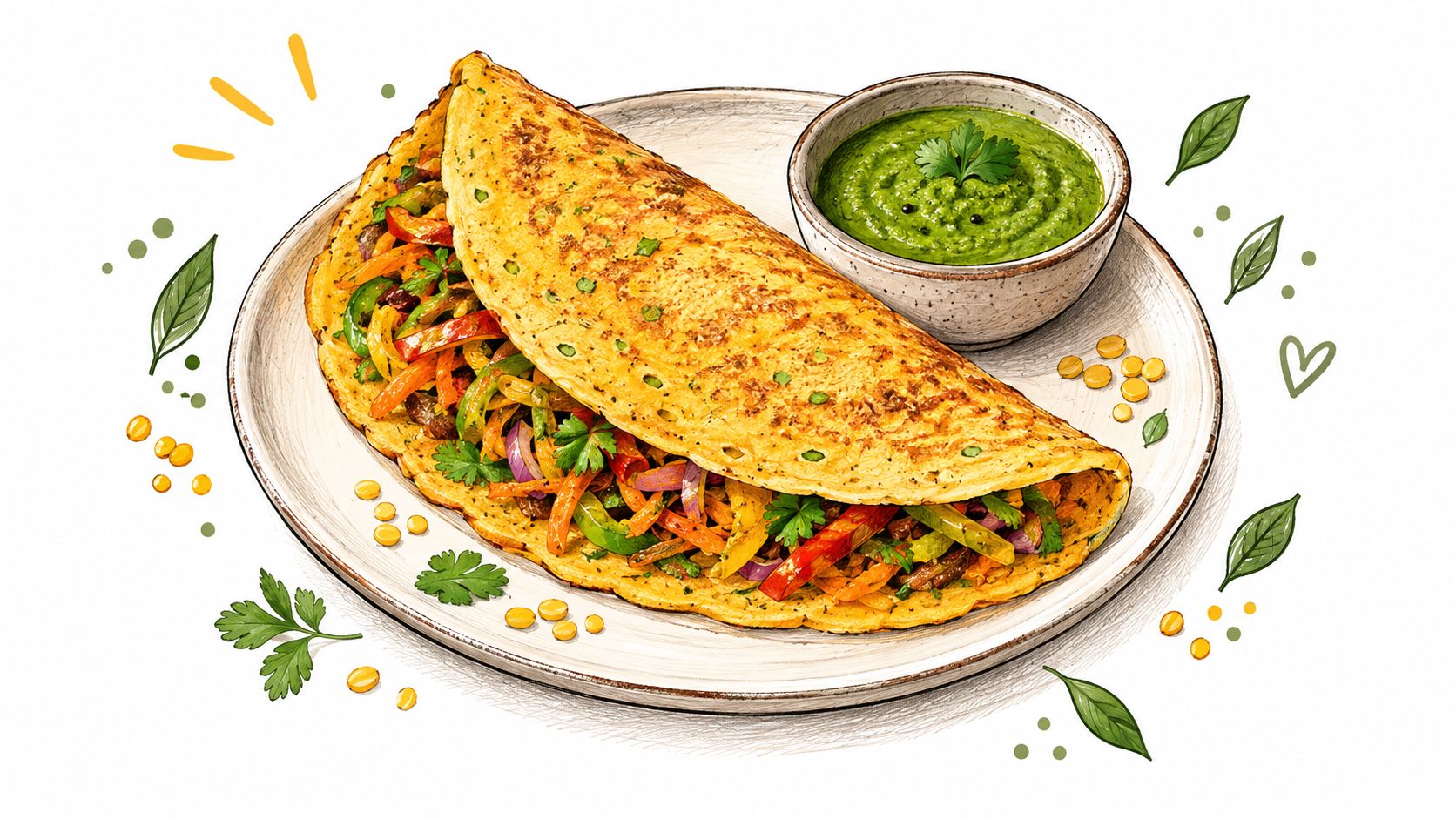
Moong dal chilla works well when you want a savoury breakfast with pulses at its centre. Soak yellow moong dal, then blend it with ginger, green chilli and enough water to make a pourable batter. Fold in chopped onion and tomato, or add grated carrot, spinach or bottle gourd for more vegetable volume.
Make the batter work for a weekday
Soaking takes advance planning, but the cooking itself is straightforward. Blend a larger batch and refrigerate what you'll use soon, or soak the dal the previous evening. Spread the batter thinly on a non-stick tawa and use a measured amount of oil rather than pouring from the bottle. A thin chilla cooks more evenly and is easier to portion than a thick, oil-heavy pancake.
Serve it with plain curd or a little mint chutney. If you want a fuller plate, add cucumber and tomato on the side rather than doubling the number of chillas automatically. For a North or Central Indian household already making roti and dal, this is a familiar change of format, not a separate diet meal.
Practical rule: Count the oil used for the whole batch, then divide it across the servings. A healthy batter can still become energy-dense if the pan is repeatedly greased.
A glass of unsweetened buttermilk can fit alongside the meal, especially if you're replacing sweetened chai or packaged snacks. For more ideas using familiar ingredients, explore these Indian weight-loss recipes.
For a visual guide to the cooking process, use this moong chilla video demonstration.
2. Vegetable Poha with Peanuts and Sprouts
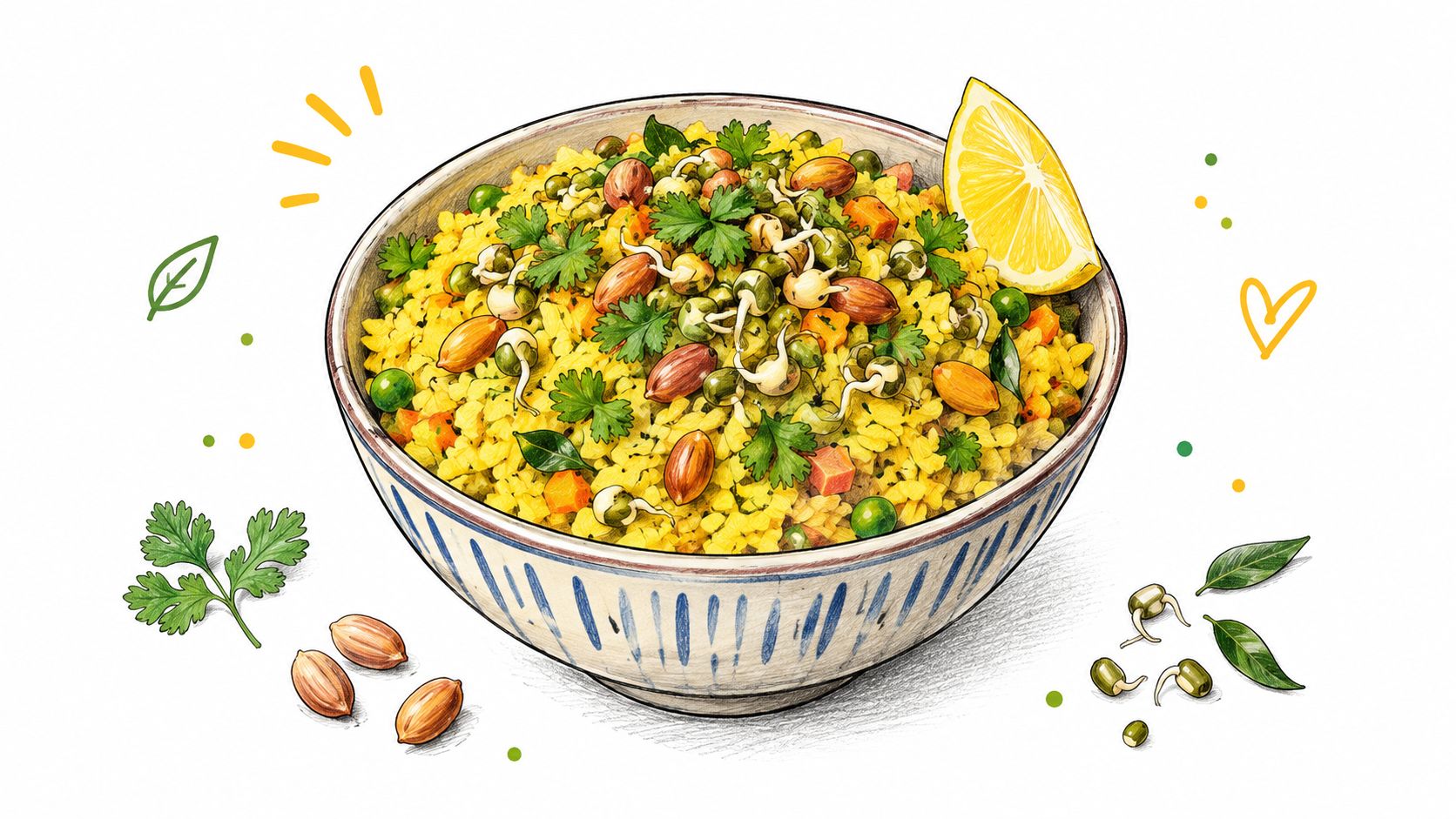
Poha is a practical choice when you need breakfast on the table quickly. Rinse flattened rice briefly and drain it well, then temper mustard seeds and curry leaves with a modest amount of oil. Add onion, turmeric and vegetables such as peas, capsicum, carrots or beans. Skip the potato or use a small amount, since vegetables can add bulk without making the bowl feel sparse.
Build a more balanced bowl
Poha is mainly a carbohydrate-based meal, so add an accompaniment that suits your appetite and routine. Stir in sprouted moong, or serve the poha with curd, buttermilk or a boiled egg. Measure the peanuts rather than scattering them freely; they bring flavour and texture, but a generous handful can change the meal considerably.
A useful weekday approach is to portion the cooked poha into a bowl before adding extras. This makes it easier to notice whether you're adding a small garnish or turning the garnish into a second main ingredient. If you pack breakfast for work, keep curd or a boiled egg separate until you're ready to eat.
Keep the crunch, control the handful. Peanuts are a topping, not an invitation to keep adding more as you cook.
Poha varies from one home to another, especially in the amount of oil, peanuts, potato and sev added. If you're deciding between two familiar quick breakfasts, this guide to poha versus upma can help you compare how they're prepared.
3. Ragi Dosa
Ragi dosa is useful when you want a crisp, savoury breakfast and already keep millet flour at home. Whisk ragi flour with water and seasonings, then add a small amount of rice flour or urad dal batter if you prefer a less fragile texture. Finely chopped onion, spinach or grated vegetables can go into the batter, or you can cook them as a filling.
Choose accompaniments deliberately
The dosa itself doesn't need much oil. Use a non-stick pan or lightly grease a tawa, and avoid pouring oil around the edges until they're glossy. Pair the dosa with sambar for a more substantial meal, since it brings lentils and vegetables to the plate. Keep coconut chutney modest if it's part of the meal, rather than serving it as an unrestricted dip.
Ragi flour can make a filling dosa, but the flour alone doesn't automatically make breakfast balanced. If the meal leaves you hungry soon after, change the combination: add sambar, curd or another protein-rich food that suits your diet. If you usually eat dosa with family, prepare the ragi batter alongside the regular batter and serve the same vegetables and sambar to everyone.
For mornings with little time, mix the dry flour and seasonings the evening before. Add water shortly before cooking so you can adjust the consistency without ending up with a batter that has thickened in the fridge.
Let the side dish do some work. A measured dosa with vegetable sambar is often more satisfying than adding extra dosas while keeping the plate otherwise plain.
4. Idli with Sambar
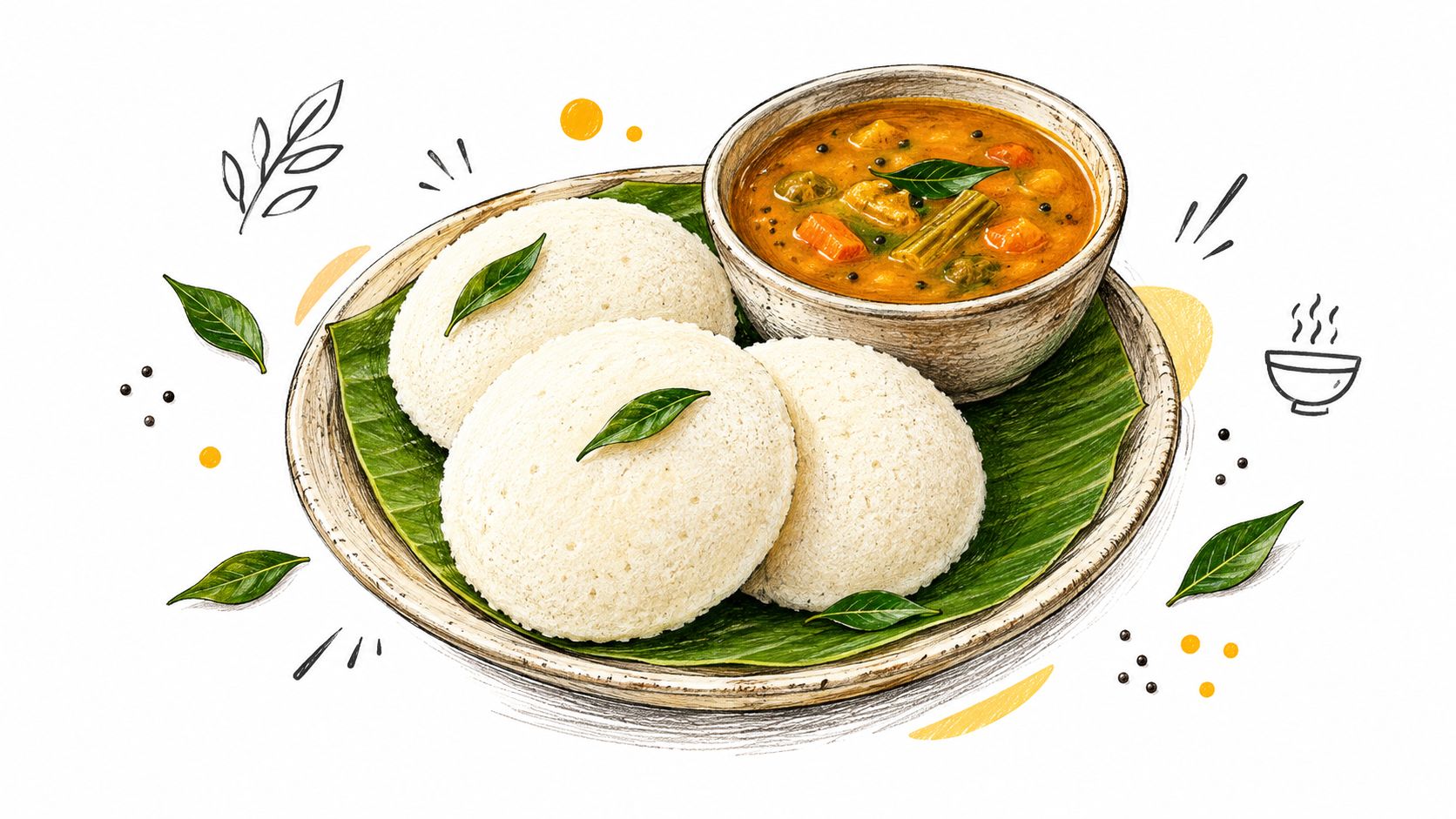
Idli is already a low-oil cooking method because the cakes are steamed. The part that usually needs attention is how many you serve and what you pair with them. Keep the idlis to a planned portion, then make vegetable sambar a substantial part of the plate. Sambar adds lentils and vegetables, so it offers more than a side of chutney alone.
Keep the familiar meal, adjust the plate
For a home breakfast, place the idlis beside a generous serving of sambar and use chutney as a flavour accent. Coconut chutney can be part of the meal, but a large serving can add more than you intended. If plain idli doesn't keep you satisfied, consider serving it with sprouts or an egg if those fit your preferences and dietary needs.
Millet idli is another option for households that already make it, but changing the grain doesn't remove the need to consider portions and sides. Likewise, rava idli can be convenient, but its preparation and ingredients differ from household to household. Focus on the whole plate instead of treating a dish name as a guarantee of weight loss.
A practical plate: Plan the idli portion first, then fill out the meal with sambar and vegetables rather than adding more cakes by default.
If you're comparing familiar South Indian breakfasts, this guide to healthy idli and dosa choices offers more preparation ideas.
5. Daliya Upma
Daliya upma suits mornings when you can spare a little more cooking time, or when you want to prepare breakfast while making a family meal. Dry-roast the broken wheat to bring out its flavour, then cook it with water or vegetable stock until tender. Add mustard seeds, light spices and mixed vegetables such as peas, carrots, beans and capsicum.
Make a filling pot without excess oil
Measure the daliya before cooking so the cooked quantity doesn't creep up while you're distracted. Use a modest amount of oil or ghee for tempering, and add vegetables generously. If the finished bowl still feels light for your needs, serve it with curd, sprouts, paneer or a boiled egg rather than adding extra ghee.
Daliya has more texture than a smooth porridge, so give it enough water and time to soften. The exact amount depends on the grain and how soft you like it. If you're cooking in advance, keep the mixture moist and reheat a single portion with a splash of water instead of adding oil to loosen it.
For a North Indian household that normally serves paratha, daliya upma can offer a different savoury option without requiring special ingredients. Keep the portion consistent across a few mornings and notice whether it carries you comfortably to lunch. Your response matters more than assuming one grain works equally well for everyone.
6. Egg Bhurji with Vegetables
Egg bhurji is one of the quickest choices here, especially if you already have eggs and chopped vegetables ready. Cook onion, tomato, chilli and spices in a lightly oiled pan, then add the eggs and scramble gently. Spinach, mushrooms or capsicum make easy additions and add volume without turning the meal into a large pile of toast or biscuits.
Adjust the serving to your needs
A whole egg with additional egg whites is one way to change the balance of the scramble. You can also use whole eggs according to your preferences and health needs. Keep the cooking oil measured, and serve the bhurji with a small whole-grain roti or extra vegetables if you want a more substantial plate.
If you're rushing, chop the vegetables the night before and store them covered in the refrigerator. In the morning, the pan does most of the work. For an office breakfast, pack the bhurji in a container and keep any roti separate so you can decide how much you need when you sit down to eat.
Don't let the sides quietly become the meal. A measured roti can complement bhurji, while several buttered slices or a large pile of fried snacks can shift the balance.
Egg bhurji isn't suitable for everyone, and a vegetarian can use paneer or curd as alternatives. Choose the version that fits your diet, then pay attention to hunger and later snacking rather than expecting any single ingredient to cause weight loss.
7. Besan Chilla with Paneer and Vegetables
Besan chilla is a convenient vegetarian alternative when you want a savoury pancake without soaking lentils. Whisk gram flour with water, cumin or ajwain, and seasonings until the batter is smooth. Add grated carrot, zucchini or chopped spinach, then cook it on a non-stick pan with a measured amount of oil.
Use paneer as a filling, not a second main
Crumble a modest portion of paneer into the chilla or use it as a filling with vegetables. The amount matters: paneer adds protein and makes the meal richer, but an oversized filling can make a light pancake into a much heavier breakfast. Serve with plain curd or green chutney, and skip sweet sauces.
A good routine for busy mornings is to mix the dry besan and spices ahead of time. Add water and vegetables when you're ready to cook, so the batter stays easy to handle. If you're making several chillas for the household, portion the batter with the same ladle each time instead of judging the serving by eye.
Besan chilla can replace a paratha-based breakfast without making you give up familiar savoury flavours. But it still needs sensible preparation. A pan coated in oil, a large paneer stuffing and several chutney add-ons can outweigh the benefit of choosing a pulse-based batter. Keep the ingredients visible and the cooking method simple.
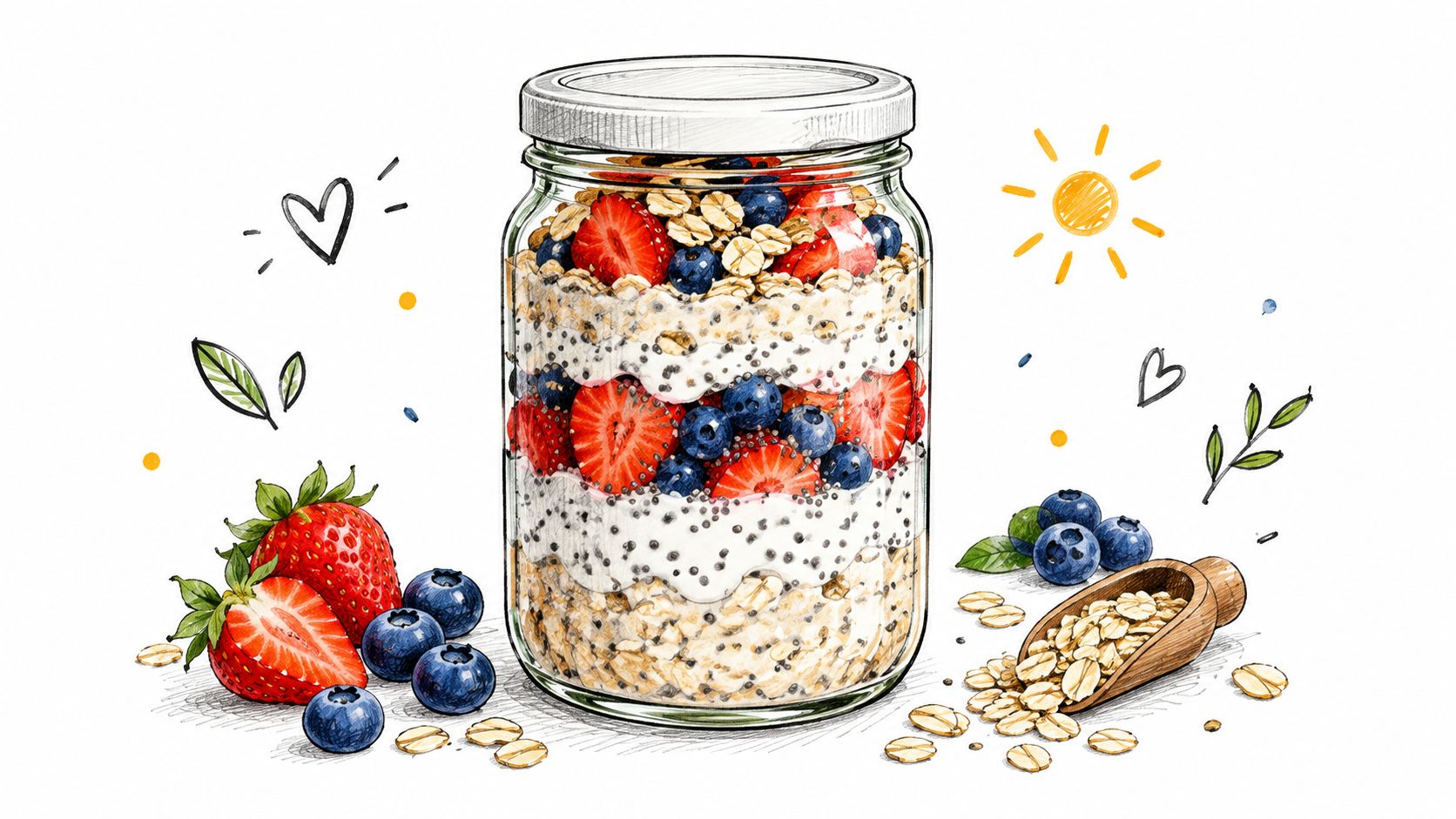
8. Overnight Oats with Curd, Chia and Seasonal Fruit
For an early start, overnight oats let you move breakfast preparation to the evening. Mix rolled oats with unsweetened curd and toned milk, then add chia seeds and refrigerate in a covered jar. In the morning, top it with a portion of seasonal fruit such as papaya, guava or banana. No pan is required.
Keep the jar measured and unsweetened
A practical starting combination is half a cup each of oats, curd and toned milk, with a teaspoon of chia seeds. Use fresh fruit for sweetness instead of sugar, honey or flavoured syrup. If your curd is thick, adjust the milk until the oats reach a texture you enjoy.
The jar is easy to overfill with ingredients that seem healthy in isolation. Measure nuts, seeds and nut butter if you add them, and avoid treating toppings as unlimited. For a savoury version, leave out the fruit and use curd, cucumber, roasted chana and spices instead.
Prepare jars for upcoming mornings, but keep them refrigerated and covered. If oats don't suit your taste, a simple curd-and-fruit bowl or another familiar breakfast may be easier to repeat. For more preparation inspiration, see this overnight oats guide.
Weight Loss Breakfast: 8-Item Comparison Guide
| Breakfast | 🔄 Implementation Complexity | ⚡ Time and Resources | 📊 Expected Outcomes | ⭐ Ideal Use Case and Key Advantages |
|---|---|---|---|---|
| Moong Dal Chilla | Moderate; soak and blend batter | Soak 4-6 hours; dal, vegetables, minimal oil | Protein and fibre support fullness | Calorie-conscious breakfasts; gluten-free and easy to prepare ahead |
| Vegetable Poha with Peanuts and Sprouts | Easy; rinse and cook | Quick to prepare; poha, vegetables, sprouts, measured peanuts | Convenient meal with added fibre from vegetables and sprouts | Busy mornings; familiar, quick, and easy to portion |
| Ragi Dosa | Moderate; batter may need adjustment to spread well | Ragi flour, optional rice or urad dal, minimal oil | Fibre and minerals; may provide steadier energy than plain rice dosa | Millet-focused meals; gluten-free and adaptable with vegetables |
| Idli with Sambar | Easy if batter is prepared; steaming required | Fermented batter, steamer, sambar and vegetables | Low-fat meal; sambar contributes lentils and vegetables | Family breakfasts; steamed, familiar, and easy to vary |
| Daliya Upma | Easy; stovetop or pressure-cooker cooking | Broken wheat, vegetables, water or stock, little oil | Fibre-rich and filling; protein may need an add-on | North Indian-style breakfasts; affordable and easy to customise |
| Egg Bhurji with Vegetables | Easy | Eggs, vegetables, pan; under 10 minutes | High-quality protein with relatively few carbohydrates | Fast, protein-focused breakfasts; easy to adjust with egg whites |
| Besan Chilla with Paneer and Vegetables | Easy; mix batter and cook | Besan, vegetables, optional paneer, minimal oil | Protein and fibre; paneer portion affects calories and fat | Vegetarian, gluten-free breakfasts; flexible filling options |
| Overnight Oats with Curd, Chia, and Seasonal Fruit | Easy; assemble ahead | Oats, curd or milk, chia, fruit; refrigeration overnight | Fibre supports fullness; curd adds protein | Busy schedules and portable breakfasts; no morning cooking required |
Build a Breakfast Routine You Will Actually Repeat
The best option is the one you can prepare, portion and enjoy consistently. Choose according to your morning: make moong batter or chop vegetables in advance if you have time the evening before, cook poha or egg bhurji when you need a fast hot meal, or use overnight oats when there's no time to cook. You don't need to make a separate breakfast for yourself if the household already has sambar, curd, vegetables or roti on the table.
Keep the portion and accompaniments reasonably consistent while you work out how a meal affects your hunger. A central-India clinic study found an association between frequent breakfast eating and lower BMI, but its retrospective design cannot establish that breakfast itself caused the difference (the study on breakfast habits and body weight). Other Indian findings are not consistent enough to justify a universal rule that everyone must eat breakfast. Notice what happens after your chosen meal: whether you snack, feel hungry well before lunch, or eat more later in the day.
For a useful comparison, log what you ate and the details that often get missed: oil, sugar in chai, chutney, biscuits, farsan, portion size and preparation method. Mumbai dietary data also show why recording "ate breakfast" can miss the meal's quality and contribution to the day's intake (the Mumbai breakfast study). Your goal is a repeatable meal that supports your overall eating pattern, not a special breakfast that you can manage only on perfect mornings.
If you are managing diabetes, PCOS/PCOD, thyroid-related concerns, hypertension or another health condition, ask a qualified professional to adapt portions, timing and ingredients to your needs. DietOwl provides personalised nutrition and lifestyle coaching through WhatsApp, with meal plans fitted to Indian food habits, household routines, medical conditions and daily schedules. For more ways to make morning meals manageable, browse these easy at-home breakfast ideas.
DietOwl offers WhatsApp-based nutrition coaching with meal plans suited to your food preferences, schedule and health needs, plus feedback on breakfast portions and combinations. If you'd like help building a breakfast routine around the Indian foods you already eat, visit DietOwl.
Related Topics
Biological Audit
Need a customized Nutrition plan?
Join 100+ Indians on a personalised Indian plan, on WhatsApp.
Deepen your Discovery.
8 Weight Loss Diet Recipes Indian Cooks Can Try
Explore 8 weight loss diet recipes indian cooks can make with calorie and protein estimates, practical tips, and quick variations for everyday meals.
Palak Moong Dal: Recipe, Nutrition, and Smart Portions
Learn how to make palak moong dal the healthy way. Step-by-step recipe, IFCT nutrition data, portion control tips, and diabetes-friendly guidance

PCOS Diet Chart for Indian Women: A 7-Day Meal Plan That Works With Your Food
A realistic 7-day PCOS meal plan built with rice, roti, dal and sabzi, using insulin-sensitivity science and not food-avoidance folklore. Cycle-aware, family-friendly.